
 7.8Perfect DaysWim Wenders2023 · Japan
A programme of films from East Asia
AsianCinema: films from Japan, Korea and China, from Perfect Days, Sweet Bean, Kikujiro and Love Letter to The Way Home, Masquerade and Still Life
162 films in three halls, each with its director, its cast, its rating and a Watch now button.
 80 filmsJapanFrom Ozu to today
 65 filmsKoreaHeart, humour and history
 17 filmsChinaRivers, cities and comedies
The masters
Full list · 39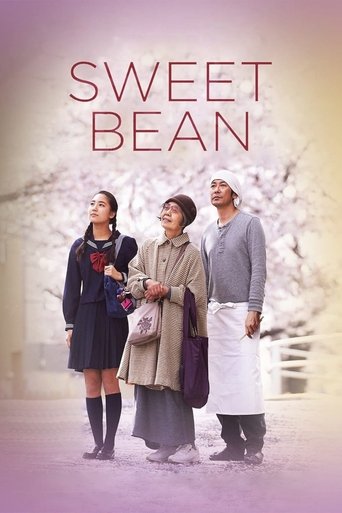 7.5
 7.5
 7.2
 7.0
 7.8
Japan
Full list · 80 7.2
 7.1
 8.4
 7.5
 6.8
 7.5
Korea
Full list · 65 7.0
 7.7
 7.2
 7.6
 8.0
 6.5
China
Full list · 17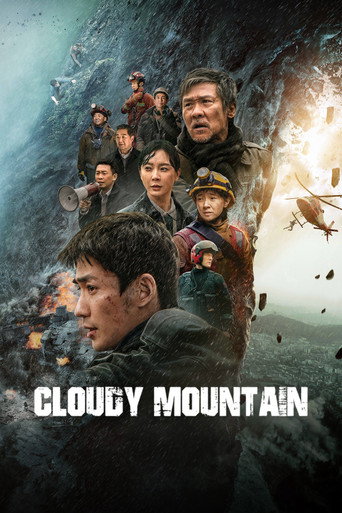 7.1
 7.0
 7.2
 7.0
 7.0
 6.8
Food and tea
Full list · 12 7.5
 7.5
 7.8
 7.2
 7.7
 7.4
Before 2000
Full list · 13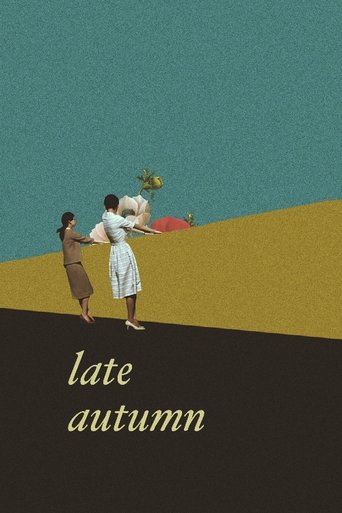 7.7
 7.4
 7.1
 6.7
 7.2
 7.5
The AsianCinema guide
AsianCinema: films from Japan, Korea and China, from Perfect Days, Sweet Bean, Kikujiro and Love Letter to The Way Home, Masquerade and Still Life
The cinemas of East Asia share a quality that viewers elsewhere often remark on first: patience. A camera rests at the height of a person kneeling on a mat and waits while a family finishes dinner. A grandmother walks a mountain path at her own pace and the film walks with her. A cleaner of public toilets looks up at sunlight through leaves, every day, and the audience comes to look with him. AsianCinema is a programme built around films of that kind, and around the comedies, romances and adventures that grow beside them.
The programme holds 162 films made between 1952 and 2026, the work of 130 directors and about 316 hours of viewing. Eighty come from Japan, sixty-five from Korea and seventeen from the Chinese-speaking world. All were chosen for a family audience, so the selection favours stories of work, food, school, love and kinship, and the great names appear through their gentlest films.
The site is arranged as three halls, one for each country, with further lists for the masters, for kinds of story and for four periods. This guide visits each in turn, names the films to open first and explains how the site works. A reader in a hurry can go straight to How to watch with AsianCinema.
How AsianCinema works
The home page is laid out like a printed festival programme. Under the heading stand three framed stills, the halls of Japan, Korea and China, each with a red label showing its number of films. Below them run six rows of framed posters: the masters, the three countries, food and tea, and films made before 2000. Each poster carries a round red seal with its score, and beneath it the title, the director's name in italics, and the year with the country.
A film page gives the year, the running time, the rating, the genres, the director, the leading cast and a summary. Beside the Watch now button is a country selector. Choose a country, press the button, and the film opens on JustWatch, which lists the subscription, rental, purchase and free services that carry it there. AsianCinema is a guide, and the viewing happens on those official services.
Four routes lead to a film, set out in Finding a film: the halls, the search field, the lists page and the alphabetical index. The search understands directors and actors as well as titles, which matters in a programme where many visitors arrive looking for one name. The list feature is called My Programme; it lives in the browser on the device in use, and the My Programme page shows how to fill it and how to save it as a file.
The Japanese hall
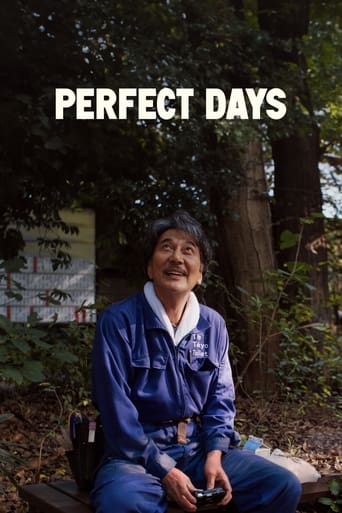
Eighty films fill the largest hall, and the Japan guide begins with three portraits of quiet lives. Perfect Days, directed in Tokyo by the German filmmaker Wim Wenders, follows Hirayama, a man in late middle age who cleans the city's public toilets with great care, listens to rock cassettes in his van, photographs trees at lunch and reads a paperback before sleep. Koji Yakusho won the best actor prize at Cannes for a performance made almost entirely of looks and small smiles, and the film has the largest audience in the programme, with more than two thousand votes and a rating of 7.8.
Sweet Bean, directed by Naomi Kawase, is set at a small stall selling dorayaki, pancakes filled with red bean paste. The manager makes his filling from a tin until an elderly woman named Tokue, played by Kirin Kiki, asks for a job and shows him how beans should be listened to as they cook. The paste becomes famous, and the film gently reveals why Tokue has spent her life apart from the town. Every Day a Good Day, with the same great actress as a teacher of the tea ceremony, follows a pupil across twenty-four years of weekly lessons and lets the seasons do the storytelling.
Japanese cinema has a special gift for films about school clubs, in which a group of unlikely pupils masters something difficult. Swing Girls, directed by Shinobu Yaguchi and rated 7.9, begins when a class of bored girls in a northern country town accidentally sends the school brass band home with upset stomachs and has to replace it. By the end they are a swinging big band. The same director made Waterboys, about five boys who take up synchronised swimming, and Wood Job!, about a city youth who signs up for a year of forestry in the mountains.
Linda Linda Linda takes place over the three days before a school festival, when a girls' rock band loses its singer and recruits a Korean exchange student, played by Bae Doona, who is still learning Japanese. They rehearse through the night, fall asleep, run through the rain and play; it is one of the most truthful films about being seventeen. It's a Summer Film! gives a girl who adores old samurai pictures a summer to make one of her own, with a leading man who turns out to come from further away than anyone guessed.
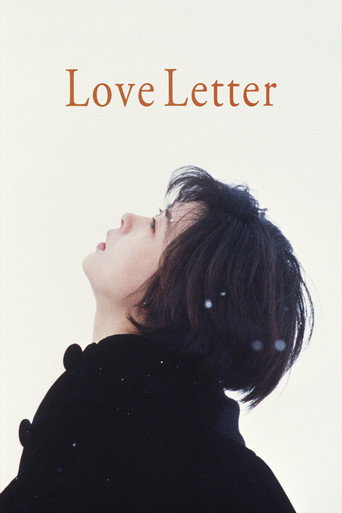
The hall has its classics. Love Letter, made by Shunji Iwai in 1995, starts when a young woman, two years after losing her fiancé in the mountains, posts a letter to his childhood address in a snowy northern port and receives a reply. Her correspondent is a woman who shared his name and his classroom, and their exchange of memories unfolds like a mystery in which the solution is first love. It is rated 7.8 and is adored across Asia. Three films by Yasujiro Ozu and one early work by Akira Kurosawa, discussed below with the masters, reach back to the 1950s.
Recent Japanese cinema is well represented by small, clever productions. Beyond the Infinite Two Minutes, made by a theatre company and running barely seventy minutes, concerns a café owner who discovers that the screen in his shop shows what will happen two minutes from now; the whole film appears to unfold in a single shot. The same team made River, in which the staff and guests of a riverside inn find themselves repeating the same two minutes. Summer Time Machine Blues gives a university science-fiction club a time machine and a single goal, to rescue the remote control of their air conditioner.
The Korean hall
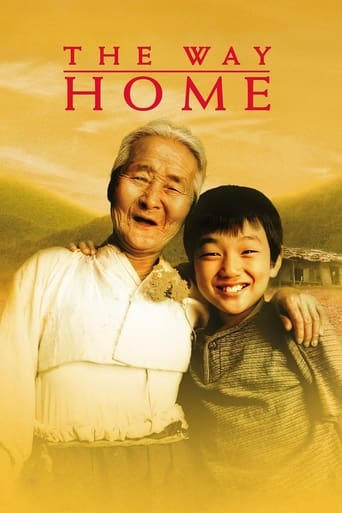
Sixty-five films fill the Korean hall, and the Korea guide opens with stories of family, where Korean cinema is at its most direct. The Way Home, from 2002, sends a boy of seven from Seoul to spend a summer with his grandmother in a mountain village. She is very old and unable to speak; he is rude and wants fried chicken. She walks miles to barter for a hen and boils it, having misunderstood, and he sulks. Slowly her patience reaches him. The grandmother was played by a villager acting for the first time, the film was a sensation at home, and it is rated 8.0.
Pawn, rated 8.3, begins in 1993, when two debt collectors take a nine-year-old girl as security for her mother's loan and find themselves, to their own surprise, raising her. Keys to the Heart brings a washed-up boxer home to a mother he hardly knows and a younger brother who plays the piano by ear with astonishing skill. Inseparable Bros, at 8.2, is about two men who grew up in the same home and have depended on each other for twenty years, one for his quick mind and one for his strong arms. Miracle: Letters to the President tells of a boy in a village with a railway line and nowhere for the train to stop, who writes to the highest office in the land asking for a station.
First love is the subject of some of the best-loved Korean films. The Classic, from 2003, moves between a student of the present, played by Son Ye-jin, and the letters and diary of her mother's youth in the 1960s, with the same actress in both roles; rain, a country bridge and a waltz bind the two stories. Architecture 101 follows an architect asked to build a house on Jeju island by a client he recognises as the girl he loved in his first year at university. On Your Wedding Day traces one boy's devotion across ten years of school, military service and work.
Historical films, known as sageuk, are a Korean speciality. In Masquerade, Lee Byung-hun plays both a seventeenth-century king who fears for his safety and the tavern entertainer hired to sit on the throne in his place for fifteen days. The double proves the better ruler, and the film, rated 7.7, is among the most successful in the country's history. The Book of Fish, shot in black and white, exiles a scholar to a far island where a young fisherman teaches him the sea. The Royal Tailor and The Princess and the Matchmaker fill the court with silk and comedy, and MAL·MO·E: The Secret Mission honours the people who compiled the first dictionary of their language.
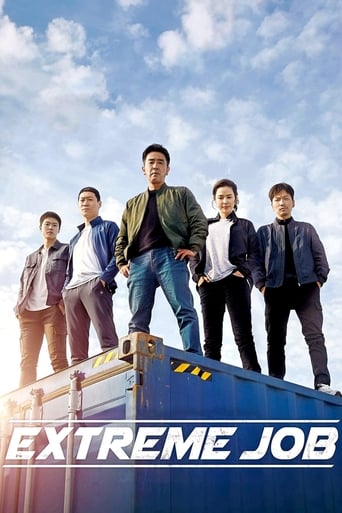
Korean popular comedy is fast and generous. Extreme Job puts a squad of luckless officers behind the counter of a fried-chicken shop that becomes more successful than their investigation. Secret Zoo gives a failing zoo to a young lawyer who solves its shortage of animals by putting the staff into costumes. Scandal Makers presents a radio host with a daughter and a grandson he had yet to hear of, Dream hands a disgraced footballer a team of homeless players bound for an international cup, and Champion follows an arm wrestler home from America.
The hall also holds spectacle. Space Sweepers crews a salvage ship in orbit, The Moon strands an astronaut and brings a retired engineer back to guide him home, EXIT turns two climbers into heroes when a cloud spreads through a city, and Take Off and The Himalayas recount real feats on a ski jump and a mountain.
The Chinese hall
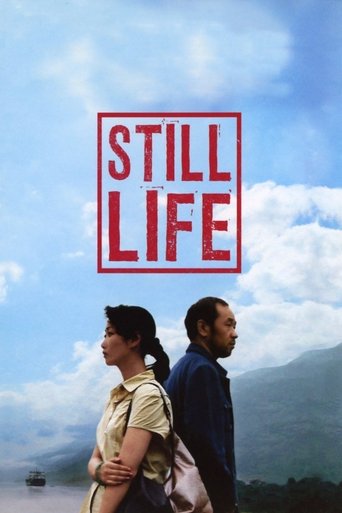
Seventeen films make up the smallest hall, and the China guide starts with its most honoured director. Jia Zhangke has spent his career recording how fast his country changes. Still Life, which won the Golden Lion at Venice in 2006, is set in a town on the Yangtze that is being taken apart brick by brick before a great dam floods it. A coal miner arrives looking for the wife he last saw sixteen years ago; a nurse arrives looking for her husband. Their paths stay apart, and the film watches them, and the workers with their hammers, with enormous tenderness.
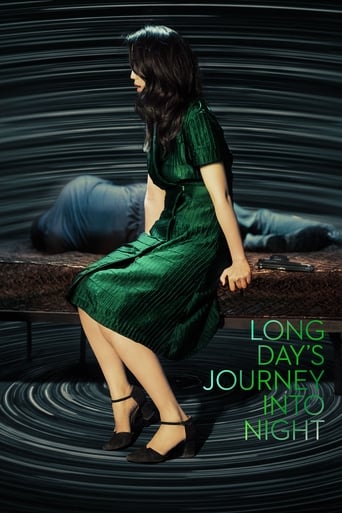
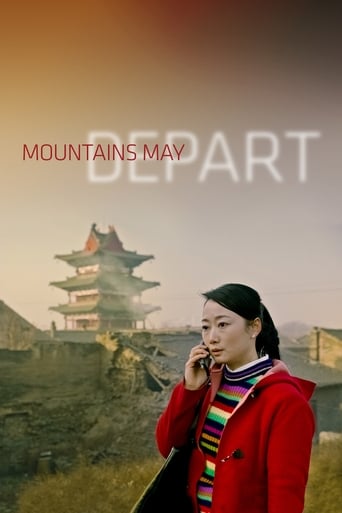
Mountains May Depart follows one woman, played by Zhao Tao, through three periods: 1999, when two friends court her in a provincial town; 2014, when the choice she made has had its consequences; and 2025, in Australia, where her son has grown up speaking another language. A pop song about heading west opens and closes the film, and its last scene, a woman dancing alone in the snow, is unforgettable. Long Day's Journey Into Night, by the young director Bi Gan, is a dream of a film whose second half is one unbroken shot lasting most of an hour.
Chinese comedy has become an industry of its own. Hello Mr. Billionaire gives a hapless goalkeeper one month to spend a billion and inherit thirty times as much, with rules that make spending harder than it sounds. Pegasus 2 returns a retired rally champion, now a driving instructor, to one last race with a team assembled from his pupils. Yolo, directed by and starring the comedian Jia Ling, follows a woman who has stayed at home for years and takes up boxing; it was the most popular film in China in 2024, and its closing minutes, which show what the star did to prepare, brought audiences to their feet.
Recent Chinese films often celebrate people who keep their heads in a crisis. The Captain recreates the flight of 2018 on which a cockpit window failed at cruising height and the pilot brought everyone down safely. Cloudy Mountain sets a father and son, both engineers, to save a town beside a new tunnel, and The Climbers retells two ascents of the north face of Everest. Lighter fare includes The Lychee Road, about a clerk ordered to deliver fresh fruit across an empire, The Stage, set in an opera troupe, and 18x2 Beyond Youthful Days, a tender journey from Taiwan to Japan in search of a friend made at eighteen.
The masters
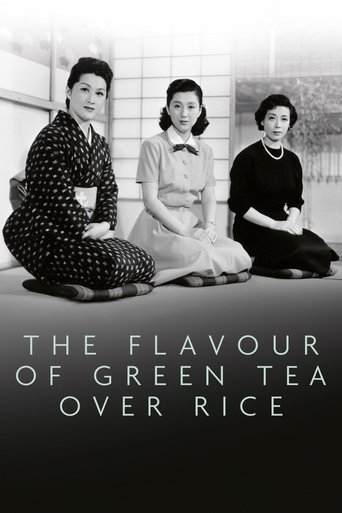
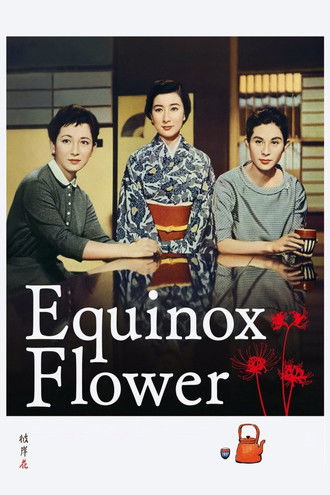
Thirty-nine films are the work of directors whose names are known wherever cinema is discussed, and the masters guide arranges them by generation. Yasujiro Ozu comes first. He made films about families in Tokyo, usually about a daughter's marriage, with a camera placed low and still, and they are among the most serene works in any art. The Flavor of Green Tea Over Rice, from 1952, studies a marriage between a fashionable wife and a plain-spoken husband who likes his rice with tea poured over it, and finds their reconciliation in a late-night kitchen. Equinox Flower, from 1958, was his first film in colour, and a red kettle wanders through its rooms like a signature. Late Autumn, from 1960, concerns a widow and her daughter and three well-meaning friends of the family who try to arrange both their futures.
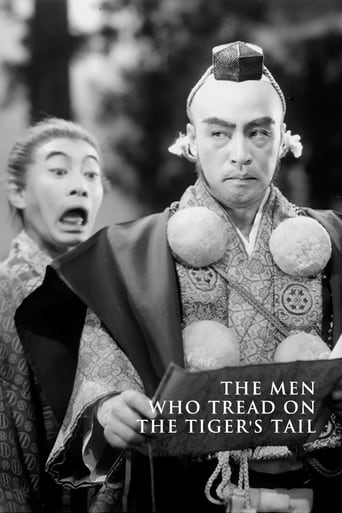
Akira Kurosawa is represented by The Men Who Tread on the Tiger's Tail, a film of fifty-nine minutes, the shortest in the programme, made in 1945 and released seven years later. It adapts a famous kabuki play about a lord and his retainers who cross a checkpoint disguised as monks, and adds a chattering porter played by a popular comedian.
Takeshi Kitano, famous as a television comedian before he directed, is here with his two gentlest films. A Scene at the Sea follows a young man who is deaf, works on a refuse lorry, finds a broken surfboard and teaches himself to ride waves while his girlfriend folds his clothes on the sand. Kikujiro pairs a boy who wants to find his mother with a gruff, childish neighbour, played by the director, who is the worst possible guardian and gradually the best. Its piano theme is known to millions who have yet to see the film.
More from the Japanese hall
The Japanese hall is large enough to reward a second walk. Its popular romances, many adapted from comics for young readers, are made with a polish that surprises newcomers: Close Range Love, Closest Love to Heaven, Paradise Kiss, set in a fashion school, and BOYS OVER FLOWERS the movie, the finale of a hugely popular series about a scholarship girl among the heirs of a grand academy. ReLIFE gives a man of twenty-seven a second chance at his final school year, and One Week Friends is about a classmate who must be befriended afresh each Monday.
Elsewhere the hall turns playful. Symbol, by the comedian Hitoshi Matsumoto, shuts a man in pyjamas in a white room with unusual light switches. Funky Forest: The First Contact is a parade of sketches as odd as its title, and Love & Peace is the tale of an office clerk, a pet turtle and a career in rock music. Goemon dresses a folk hero in dazzling digital colour, and Samurai Marathon recounts the foot race a nineteenth-century lord ordered to keep his retainers fit, said to be the first marathon in Japan.
Several films look back at the making of popular culture itself. Hula Girls is set in 1965, when a coal town in the north decided to save itself by building a Hawaiian resort and asked the miners' daughters to learn to dance. Asakusa Kid follows a university dropout who becomes the apprentice of a music-hall comedian and will one day be famous under another name. Crying Out Love in the Center of the World, a phenomenon of 2004, moves between a man of the present and the cassette-tape diary he exchanged with a classmate in the 1980s.
Quieter Korean films
Behind the big hits stands a quieter Korean cinema, well represented here. Microhabitat follows a young housekeeper who, when rent and prices rise, gives up her room in order to keep the small comforts that make her herself, and spends the film visiting the old members of her student band. A Brand New Life draws on its director's childhood to tell of a nine-year-old left at an orphanage near Seoul in 1975 and her slow acceptance of a new future.
Love, Lies is set in the 1940s among singers trained in a classical tradition as popular music arrives. Vanishing Time: A Boy Who Returned is a fable about a girl whose friend returns from a cave a grown man. Pavane, from 2026, is a gentle love story among the staff of a department store, and the city romance is represented by Finding Mr. Destiny, in which a woman hires an agency to trace her first love and falls for the investigator.
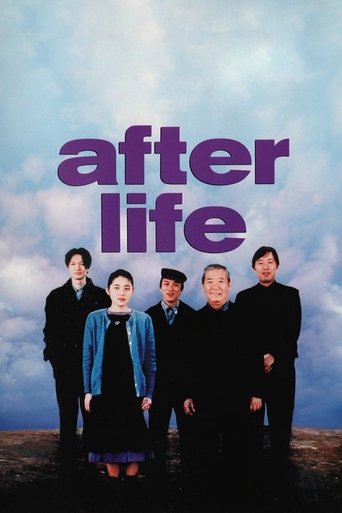
Hirokazu Kore-eda, the heir to Ozu in his interest in families, contributes After Life, set in a modest building where the newly departed are given a week to choose the one memory they will keep, and I Wish, in which two brothers living in different cities come to believe that a wish made at the spot where two new bullet trains first pass will come true. Naomi Kawase is represented by four films, including True Mothers, about adoption seen from both sides, and Radiance, about a woman who writes descriptions of films for audiences with limited sight.
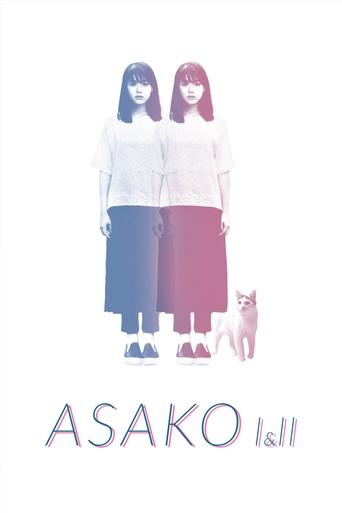
Ryusuke Hamaguchi made Happy Hour, at five hours and seventeen minutes by far the longest film in the programme. It follows four friends in the port city of Kobe, women in their late thirties, through a workshop, a reading, a ferry trip and many conversations, and its four leading actresses, all new to film, shared a festival prize. Viewers who give it an afternoon and an evening tend to count it among the great experiences of recent cinema. Asako I & II is his shorter study of a woman who meets the double of a lost love.
Others in the list include Yoji Yamada, whose Tokyo Family revisits Ozu's most famous story sixty years on; Koki Mitani, whose Welcome Back, Mr. McDonald watches a live radio play fall apart and come together as every actor demands changes; Naoko Ogigami, the maker of calm comedies; and from Korea, Hong Sang-soo with The Woman Who Ran, three visits to three friends, and Hur Jin-ho with One Fine Spring Day, in which a sound recordist and a radio producer fall in love while capturing the noise of wind in bamboo.
Food and tea
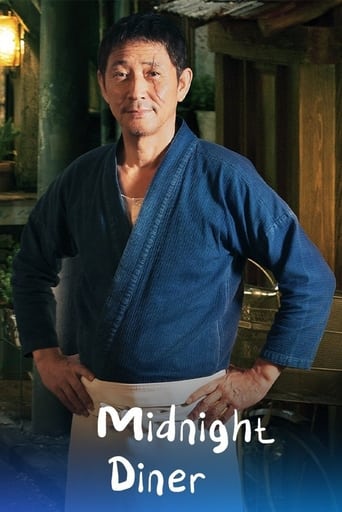
Twelve films are about cooking, eating and the ceremony around them, and the food guide suggests watching them with something good within reach. Kamome Diner is set in Helsinki, where a Japanese woman opens a small restaurant serving rice balls and waits serenely for her first customer; two travellers and a local student drift in, and the place fills. Midnight Diner takes its name from a counter in a Tokyo back street that opens when others close, where the owner will cook whatever a guest asks for if he has the ingredients, and every dish carries a story.
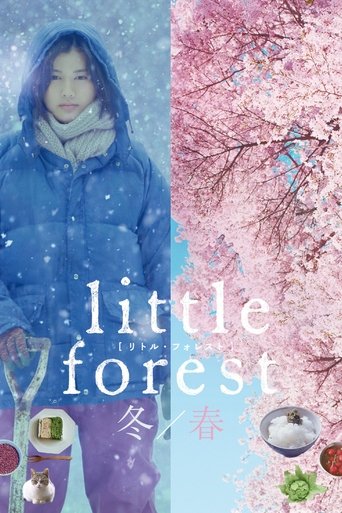
The Chef of South Polar spends a year at a research station high on the Antarctic ice, where eight men live far from any shop and the cook keeps their spirits up with ramen, roast beef and a giant prawn. Little Forest: Winter/Spring follows a young woman who has returned to her mountain village and feeds herself through the year from her own field, each chapter a recipe. The Taste of Tea is a happy, eccentric portrait of a family in the countryside north of Tokyo.
From Korea comes the fried chicken of the luckless officers, and from Ozu the bowl of rice with tea that mends a marriage. Her Love Boils Bathwater is set in a family bathhouse that a mother reopens with fierce energy, Rent-a-Cat concerns a woman who lends cats to the lonely from a handcart, and Cafe Funiculi Funicula is a coffee shop where one seat allows a visit to the past for as long as the cup stays warm.
Drama
Drama is the largest list, with 130 films, and the drama guide follows a few of its paths. One is work done with devotion. The Great Passage spends fifteen years with the editors of a new dictionary, led by a shy young man with a love of words, and makes the defining of a single term as gripping as a chase. Cart stands with the women who staff a supermarket, Samjin Company English Class with three clerks who notice something wrong at their firm, and Default with the officials and ordinary savers of 1997.
Another path is the long journey. Antarctica, from 1983, is the true story of the sled dogs of a Japanese expedition and the men who returned for them a year later; it was for many years the most successful film ever released in Japan. The Himalayas recounts a climb undertaken out of loyalty to a friend. Moving, by Shinji Somai, is an inner journey: a girl of eleven in Kyoto whose parents are separating runs, argues, plots and finally walks through a night of festival fires into a new understanding.
A third path concerns illness and time, treated with tact. Drawing Closer, the highest-rated film in the programme at 8.4, is about two teenagers who meet in a hospital and decide to fill their days with kindness. The Last 10 Years, Love Like the Falling Petals and I Give My First Love to You belong to the same tradition of the Japanese tearjerker, made with sincerity and beautiful light. My Brilliant Life is its Korean cousin, the story of very young parents and a wise son.
Comedy
Seventy-seven films are comedies, and the comedy guide notes how different the national styles are. Japanese comedy tends to be dry and built on a system that goes wrong. In Survival Family, all electricity stops one morning, and a Tokyo family of four sets off by bicycle for the grandparents' house on the far coast; the father's wig and the daughter's telephone are early casualties. Mondays traps an office in a repeating week and requires the staff to convince their manager, one rank at a time. Fish Story links a punk song of 1975 to the rescue of the world decades later.
Korean comedy is broader and warmer, with a liking for disguise and sudden families, as described above. The Foul King, by Kim Jee-woon, gives Song Kang-ho, later famous around the world, an early leading role as a bank clerk who discovers himself in a wrestling mask. Dancing Queen, Penny Pinchers and Love Reset, in which a quarrelling couple both lose their memories, are reliable choices for a group.
Manga supplies a strain of bright, stylised comedy: Kamikaze Girls, in which a girl devoted to frilly rococo dresses befriends a biker with a customised scooter in a town of rice fields; Bakuman, about two schoolboys trying to get a comic into a famous weekly magazine; and Wotakoi: Love is Hard for Otaku, an office romance between enthusiasts.
Romance
Sixty-two films are love stories, and the romance guide observes that East Asian romance is often a story about time. Letters arrive years late, lovers live a day apart, a season ends before words are found. In My Tomorrow, Your Yesterday, a student in Kyoto falls for a girl on a train whose calendar runs the opposite way to his. In Even If This Love Disappears Tonight, a girl whose memory resets each morning keeps a diary so that she can meet her boyfriend again every day. Ditto connects two students of the same university, twenty years apart, by amateur radio.
Shunji Iwai is the poet of this mood. Besides the letter to the snowy port he made April Story, sixty-seven minutes about a girl from the far north arriving at a Tokyo university in cherry-blossom season for a reason she keeps to herself, and Hana & Alice, about two friends, one ballet class and an elaborate fib. Josee, the Tiger and the Fish and its Korean retelling Josée both follow a student and a young woman who reads the world from her room.
Korean romance tends to be fuller-hearted. A Millionaire's First Love sends a spoiled heir to a country school; More Than Blue is a celebrated weepie; Lovers' Concerto entwines three friends; and Hear Me: Our Summer, from 2024, is a courtship conducted largely in sign language beside a swimming pool. Cyborg She, a Japanese film by a Korean director, mixes science fiction and romance with cheerful abandon.
Youth
Forty-nine films are about the young, and the youth guide gathers the clubs, the friendships and the examinations. Beside the bands and the swimmers stand The Kirishima Thing, in which the school's star athlete quits his team and the whole social order of a school rearranges itself over five days, and A Gentle Breeze in the Village, set in a country school of seven pupils that receives a boy from Tokyo. Flying Colors is the true story of a girl at the bottom of her year who decides, with one stubborn tutor, to win a place at a famous university.
Friendship between girls is drawn with special care in this programme. Take Care of My Cat follows five friends from a Korean port city in the year after school, as jobs and money pull them apart and a stray kitten passes from hand to hand. Nana puts two young women with the same name in one Tokyo flat, a punk singer and a romantic. Hot Young Bloods and Punch show the rowdier Korean school film, and Asakusa Kid is a young comedian's apprenticeship in a fading theatre district.
Family
Forty-six films concern family, and the family guide arranges them by generation. Grandparents stand at the heart of the mountain village and of Tokyo Family, in which an elderly couple travel to the capital to see their grown children and find them kind and busy. Brothers lead three films, among them the bullet-train wish. Bunny Drop gives a bachelor of twenty-seven the care of a six-year-old relative and watches him rearrange his life around nursery hours.
Mothers carry Her Love Boils Bathwater, True Mothers and Love Life, and fathers the Chinese tunnel film and Unexpected Family, from 2026, in which Jackie Chan plays an old man whose neighbours gather to recreate a day he is beginning to forget. Family here is often chosen as much as inherited: the debt collectors and their ward, the two men from the care home, the housemates of the bathhouse.
Four periods
The programme is filed in four periods, described in Four periods. Thirteen films date from before 2000. They include the studio classics of the 1950s, the Antarctic epic of 1983, and the remarkable Japanese 1990s, when Kitano, Kore-eda, Iwai, Somai and Mitani were all at work. The single Korean film of the period, The Harmonium in My Memory, dates from 1999, the eve of that country's film renaissance.
Thirty-nine films come from the 2000s, when Korean cinema found a worldwide audience and Japan produced a run of delightful school comedies. Seventy-one come from the 2010s, the fullest decade, and thirty-nine have appeared since 2020, among them the Tokyo cleaner, the Chinese boxing comedy and two films dated 2026.
Top rated
Thirty-three films are rated 7.5 or higher by at least sixty voters, and the top rated guide lists them. The hospital friendship leads at 8.4 and the debt collectors' ward follows at 8.3. Four films stand at 8.0 or just above: the two brothers from the care home, the grandmother's summer, a tale of five friends and a letter from the past, and a manga adaptation. Among films with a large international audience, the Tokyo cleaner and the letter to the snowy port both hold 7.8.
Scores for the older classics are steady and high, since those who seek out a film from 1958 usually know what they will find. Recent popular films from Korea and Japan can have fewer votes on an international database than their fame at home would suggest, so a glance at the vote count on each page is worthwhile.
Where to begin
A newcomer to these cinemas might start with one film from each hall on three evenings: the bean-paste stall, the grandmother's village and the comedy about the billion. All three are easy to love and each opens a door. From there the routes divide. Those drawn to stillness can go on to Ozu and to the cleaner of Tokyo; those who laughed can try the school clubs and the chicken shop; those who were moved can follow the Korean family films.
Viewers who already know the famous names may enjoy the corners of the programme: A Story of Yonosuke, a warm portrait of a student everyone remembers fondly; The Whispering Star, a science-fiction film of great quiet; Microhabitat, about a Seoul housekeeper who gives up her room and keeps her small pleasures; and The Kingdom of Dreams and Madness, a documentary visit to a celebrated animation studio.
Names, titles and subtitles
A few conventions help. Japanese, Korean and Chinese names are traditionally given family name first, and this guide follows the form most common in English for each person. Titles vary between countries and services, so the search field accepts alternatives and each film page records them. Nearly all viewers outside Asia watch with subtitles, which preserve the music of the original voices; a film such as A Scene at the Sea, with its nearly wordless leads, shows how little dialogue a story can need.
Availability changes from country to country, which is why the country selector sits beside the Watch now button. A classic may be on a specialist service in one place and for rent in another, and the button always reflects the country chosen.
The film page in brief
Each film on AsianCinema has a page arranged like an entry in a printed catalogue. The poster sits beside the title, the year and the country of production. A line of labels names the genres, and the score appears with its count of votes and the running time. A short paragraph gives the situation the film begins with and leaves its course to be discovered. The director is credited first, in keeping with the programme's interest in filmmakers, followed by the leading players; each name opens that person's other films here. The country selector and the Watch now button are close to the top on every screen size, and a final row proposes films from the same hall.
Questions about AsianCinema
Landscapes and seasons
Place and season carry meaning in these films to a degree that repays attention. Snow covers the northern port where a letter arrives and the mountain where a memory is kept. Cherry blossom marks the start of the school and university year in Japan, so a film that opens under pink trees is telling the audience that something is beginning. The rainy season, the cicadas of high summer, the red maples of November and the first snow each arrive on cue, and directors use them as a composer uses keys.
Korea offers the volcanic island of Jeju, where a house is built for a first love, the terraced hills of the grandmother's village and the neon of Seoul. China, in this programme, is above all a river: the gorges of the Yangtze, with their towns numbered for demolition and their ferries full of travellers. One Japanese film is set entirely in Finland and another on the Antarctic plateau, and both, curiously, are about making a home.
Interiors are just as eloquent. The low table, the sliding door, the entrance step where shoes are left, the family bath, the school rooftop and the convenience store at night recur until a viewer knows them well. Part of the pleasure of following a national cinema over many films is this growing familiarity with its rooms.
Music in the programme
Several of these films are remembered first for their music. The composer Joe Hisaishi wrote the piano melody that accompanies the boy and his unlikely guardian on their summer journey, as well as the score for the young surfer. The Antarctic epic was scored by the Greek composer Vangelis. In the films of Jia Zhangke, pop songs heard on a radio or in a dance hall fix a year more exactly than any caption could.
Music is also a subject. Big-band jazz, punk rock and synchronised swimming to disco each give a group of teenagers a reason to practise, and the final performances, usually filmed in long takes with the young cast really playing, are among the happiest endings in cinema. Nana has two leading women and two bands, Fish Story has a song that waits thirty-seven years for its moment, and the Korean film about the pianist brother ends in a concert hall.
The dignity of work
If one theme unites the three halls, it is respect for work done well. The cleaner in Tokyo carries a small mirror to check beneath the fittings. The old woman at the pancake stall rises before dawn to greet her beans. The dictionary editor collects words on cards for fifteen years. The apprentice forester learns to climb, fell and plant on a mountain where trees are harvested by the grandchildren of those who planted them. The teacher of tea repeats the same gestures for decades and finds them new each time.
Korean films share the feeling in their own register: a court tailor who cuts by eye, supermarket staff who take pride in a tidy aisle, a radio sound man listening for the right rustle of leaves. Chinese films find it in an airline captain's calm hands and in a demolition worker's care with a hammer. These are stories in which attention is a form of love, and they leave a viewer inclined to do the next task a little better.
Double bills
The programme invites pairings. Ozu's widow of 1960 and Yamada's elderly parents of 2013 show the same Tokyo family half a century apart. The two versions of the student and the reader, one Japanese and one Korean, can be watched on successive nights. The bean-paste stall and the Helsinki diner make a perfect evening of food; the big band and the rock band, an evening of school music; the two time-loop comedies from one theatre company, an evening of ingenuity under a hundred and seventy minutes in total.
Across borders, the Korean grandmother pairs with the Japanese grandparents, and the river town of the Three Gorges with the northern port in the snow, two places held in memory. My Programme will keep any pair until its evening arrives.
Performers to follow
Certain faces recur across the programme and make good guides. Kirin Kiki, who died in 2018, plays the maker of bean paste and the teacher of tea, two of the wisest old women in modern film. Koji Yakusho, the Tokyo cleaner, has been a leading man in Japan for forty years. Bae Doona appears in two countries, as one of the five friends from the Korean port and as the exchange student who sings in Japanese. Lee Byung-hun is both a king's double and a boxer learning to be a brother.
Son Ye-jin plays a mother and a daughter in the same film. Song Kang-ho, before his worldwide fame, is a bank clerk in a wrestling mask. Zhao Tao, the partner and muse of Jia Zhangke, carries both of his films here, and the comedian Shen Teng leads two of the Chinese comedies. Typing any of these names into the search field gathers their films at once.
Watching together
Most of the programme suits a mixed household. Children old enough to read subtitles usually enjoy the school-club comedies, the Antarctic dogs and the Korean chicken shop, and younger ones can follow the grandmother's story almost by pictures alone. Teenagers respond to the bands, the time loops and the romances drawn from comics. Older viewers often find the family films of Ozu and Yamada speaking to them with unexpected directness.
A pleasant custom is to cook something from the film. Rice balls take ten minutes, pancakes with sweet bean paste a little longer, and a bowl of rice with green tea poured over it scarcely any time at all. Eating what the characters eat is the simplest way to step through the screen, and it gives the youngest members of the audience a part in the evening. Those who prefer to plan ahead will find the running time on each page, from under an hour for the early Kurosawa to a full afternoon and evening for the longest film here.
Questions
What is AsianCinema?
AsianCinema is a programme of 162 films from Japan, Korea and the Chinese-speaking world, made between 1952 and 2026. Each has its director, its cast, a summary, a rating and a Watch now button.
How do I watch a film?
Open its page, choose your country beside the Watch now button and press it. JustWatch then lists the services that carry the film in that country.
How many films come from each country?
Eighty come from Japan, sixty-five from Korea and seventeen from China.
Which films are rated highest?
Drawing Closer leads at 8.4 and Pawn follows at 8.3. Inseparable Bros stands at 8.2 and The Way Home at 8.0.
Which directors are in the masters list?
Ozu, Kurosawa, Kitano, Kore-eda, Kawase, Hamaguchi, Iwai, Yamada, Jia Zhangke, Bi Gan and Hong Sang-soo are among them. The list holds thirty-nine films.
Where should a newcomer start?
Sweet Bean, The Way Home and Hello Mr. Billionaire make a friendly first three, one from each hall.
Which is the oldest film?
Two films are dated 1952: The Flavor of Green Tea Over Rice by Ozu and The Men Who Tread on the Tiger's Tail by Kurosawa.
Which is the longest film?
Happy Hour runs for 317 minutes. The shortest is The Men Who Tread on the Tiger's Tail at 59 minutes.
What is My Programme?
My Programme is your list of films to watch. It is kept in the browser on your device, and the list page can save it as a file.
Where does the information come from?
Posters, ratings, casts and production details are supplied by TMDB. The guide on this page and the fifteen help pages are written for AsianCinema.
